
Blog / Our Work
3D printing examples: what we printed, which material, how long it took.
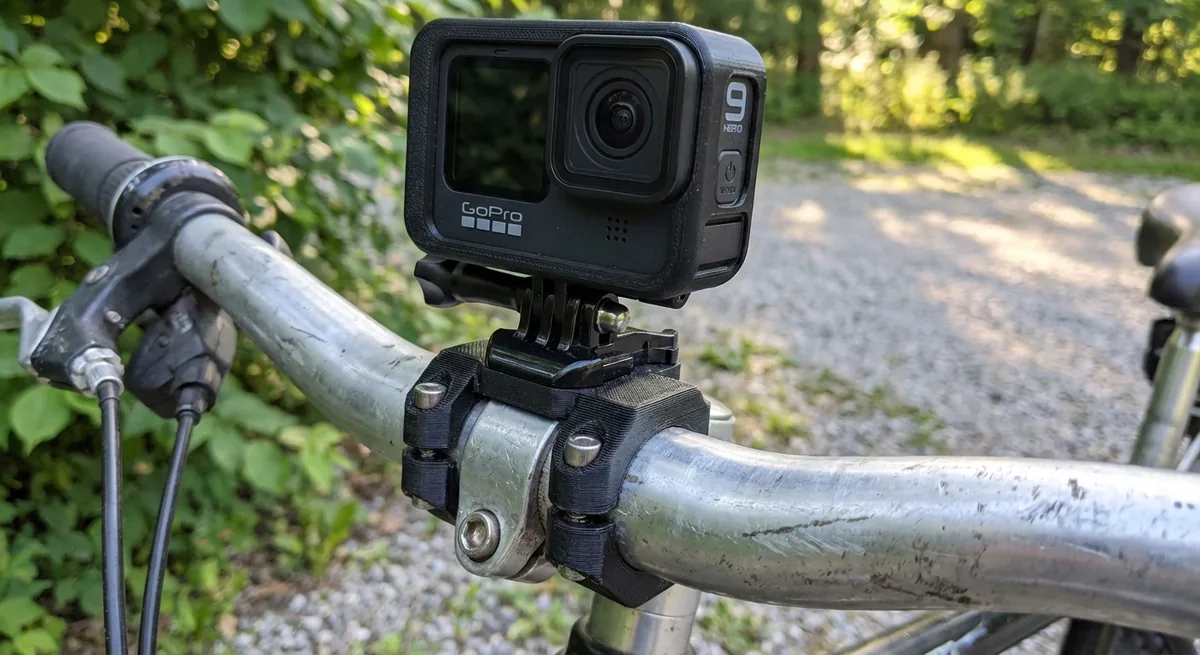
Custom GoPro Bike Mount — PETG Print
We printed a custom GoPro mount for a bicycle handlebar from PETG. Durable, precise, done in 2 hours.
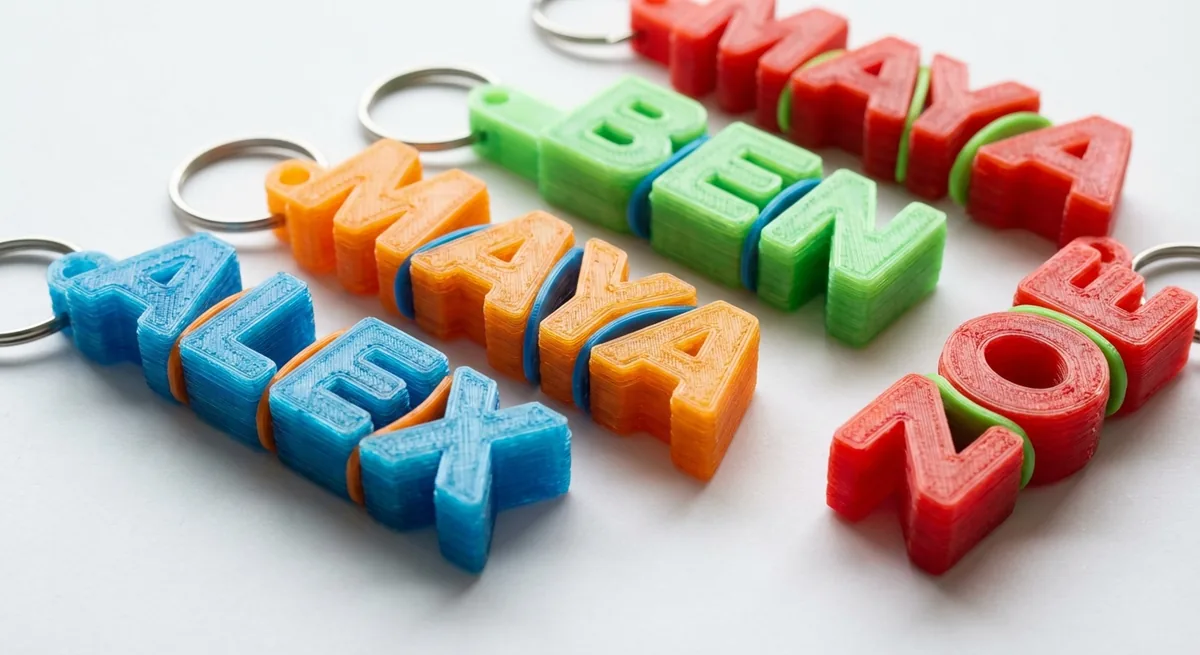
Custom Name Keychains for a Birthday Party — PLA
We printed 12 personalized name keychains for a kids birthday party. PLA Silk, multiple colors, 3 hours for the whole batch.
What these case studies cover
Each post describes a real order from the workshop: what the task was, which material we chose and why, the settings we printed with and how it turned out. The settings are given so that you can price or order something similar right away.
How to read the print settings
- Material
- PLA for decor, gifts and models. PETG for parts that live outdoors, in heat or under load. FLEX (TPU) when the part has to bend. CF when stiffness matters most.
- Layer height
- How thick each layer of plastic is. The online order offers 0.12, 0.2 or 0.28 mm: a thin layer gives a smooth surface and fine detail, a thick one speeds up large parts.
- Infill
- How much plastic is inside the part. 15-25% is enough for decor and everyday things, 40-60% goes into parts under load, 100% makes the part solid. The denser the infill, the stronger, heavier and pricier the part.
- Print time
- How many hours a printer is busy. It counts toward the price just like the plastic, so a thin layer and dense infill show up in the total.
- Weight
- How many grams of plastic the part takes, supports included. In the online order the weight and the time come from the slicer reading your file, not from a formula.
- Accuracy
- We print to roughly ±0.2 mm. That covers most fits, and for critical parts we print a test piece first.
Want something similar?
If you already have a 3D model, upload it to the online order and the price appears at once. No model? Send photos or describe the job through the form on the home page, and we will model it ourselves and reply with a price, usually within an hour. Not sure which material to pick? Tell us where the part will be used and we will suggest one.